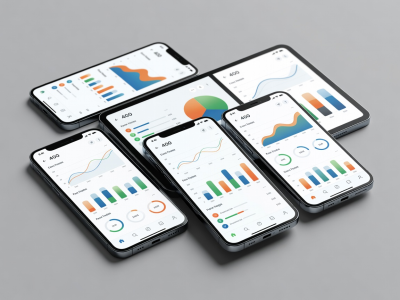
When consumers shop for a new wearable device, they spend 90% of their time agonizing over the hardware: screen size, battery life, titanium versus aluminum, and sensor arrays. However, a beautifully designed piece of hardware is practically useless if the companion software that interprets its data is frustrating to use. You are not just buying a watch; you are marrying into a data ecosystem.
Choosing the right ecosystem dictates how easily you can view your trends over years, whether you can share your data with your doctor, and whether you can connect third-party apps like smart scales or nutrition trackers. Let us explore the concept of digital health ecosystems and how to navigate them.
The Problem of Data Silos
Historically, the wearable tech industry has been plagued by "data silos." A data silo occurs when a company designs its software so that the health data you generate (which belongs to you) is locked within their specific application. If you track your steps with Brand A's watch, log your food in Brand B's nutrition app, and weigh yourself on Brand C's smart scale, you have three disparate pools of data that cannot talk to each other.
This is problematic because human health is holistic. Your resting heart rate (tracked by your watch) is directly influenced by your diet (tracked in your app) and your weight (tracked by your scale). To gain true insights, this data needs to live in one centralized location.
Centralized Aggregators: The Solution
To combat silos, major smartphone operating systems have built built-in health aggregators. Think of these as vast central databases living on your phone.
When evaluating a wearable, the most crucial question to ask is: "Does this device's app push data to my phone's native health aggregator?"
If a wearable's proprietary app can write data to a central aggregator, it means you can buy a smart scale from a completely different manufacturer, have it write to the same aggregator, and view all your metrics side-by-side. It also means that if you switch wearable brands in three years, you won't lose your historical step and heart rate data, because it is safely stored in the central hub, not locked in the old manufacturer's proprietary cloud.
Platform Philosophies: Lifestyle vs. Athleticism
Beyond data sharing, different ecosystems are tailored to different psychological profiles.
- The Generalist/Lifestyle Ecosystem: These platforms focus on simplicity. They close "rings," award badges, and celebrate general movement. They are designed to be unintimidating and encourage the average person to take the stairs instead of the elevator. The data is usually smoothed out and presented in easy-to-read daily summaries.
- The Athletic/Training Ecosystem: Designed for amateur and professional athletes, these platforms look like pilot dashboards. They prioritize complex metrics like Training Load, VO2 Max estimates, cadence, and power output. They can be overwhelming for a beginner, but they are essential for someone training for a marathon who needs to analyze their split paces in deep detail.
Subscription Models: The Hidden Cost
A final, vital consideration when choosing an ecosystem is the monetization strategy. In recent years, a trend has emerged where the hardware is sold at a slight discount, but access to historical data, deep sleep analysis, or personalized coaching requires a monthly subscription fee.
Before purchasing, determine if the brand locks basic data interpretation behind a paywall. Over a two-year lifespan, a "cheap" tracker with a $10/month subscription becomes significantly more expensive than a premium device with a free ecosystem.
Ultimately, the right ecosystem is the one that presents data in a way that motivates you to take action, integrates seamlessly with the tools you already use, and respects your ownership of your personal health metrics.